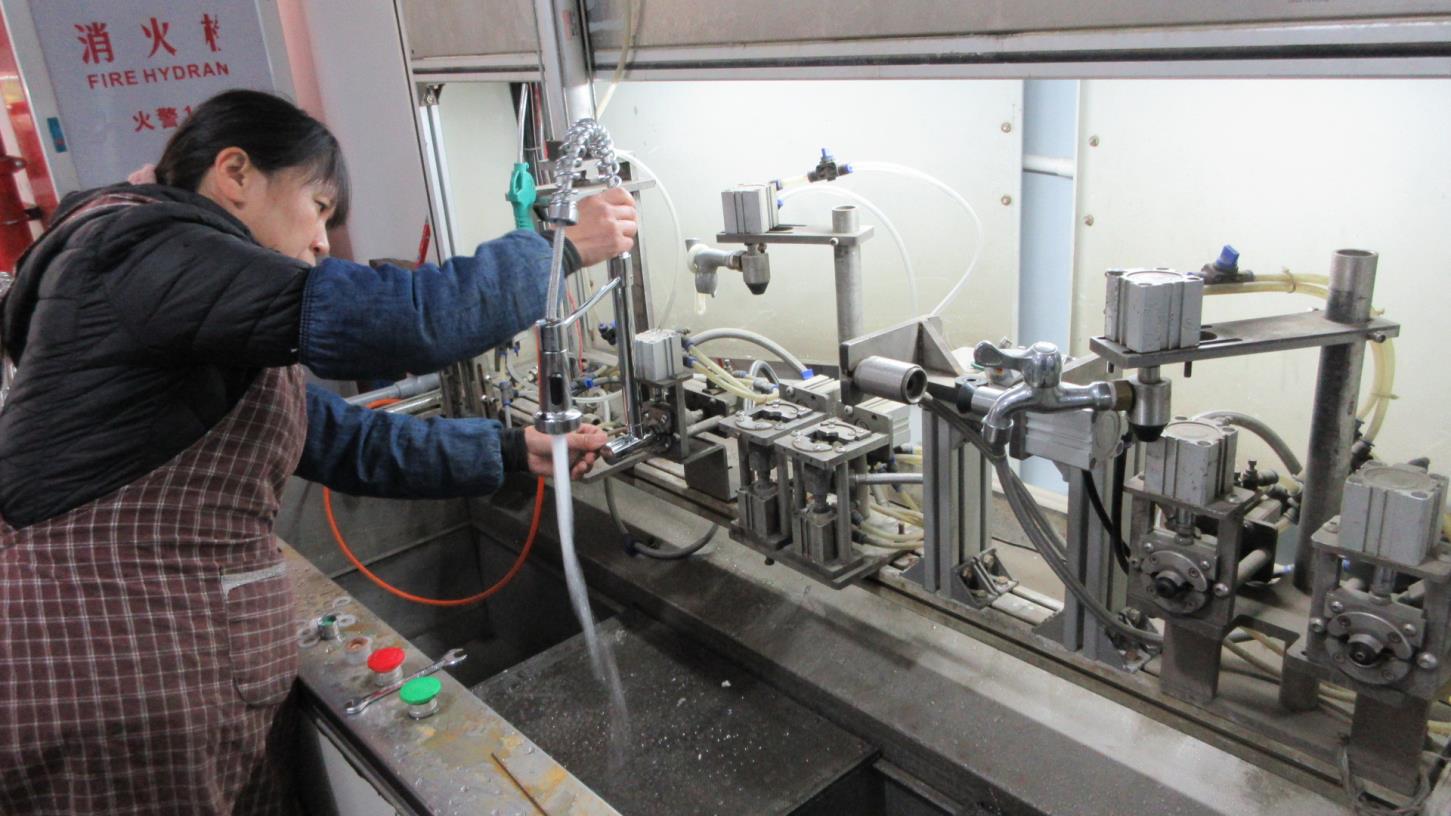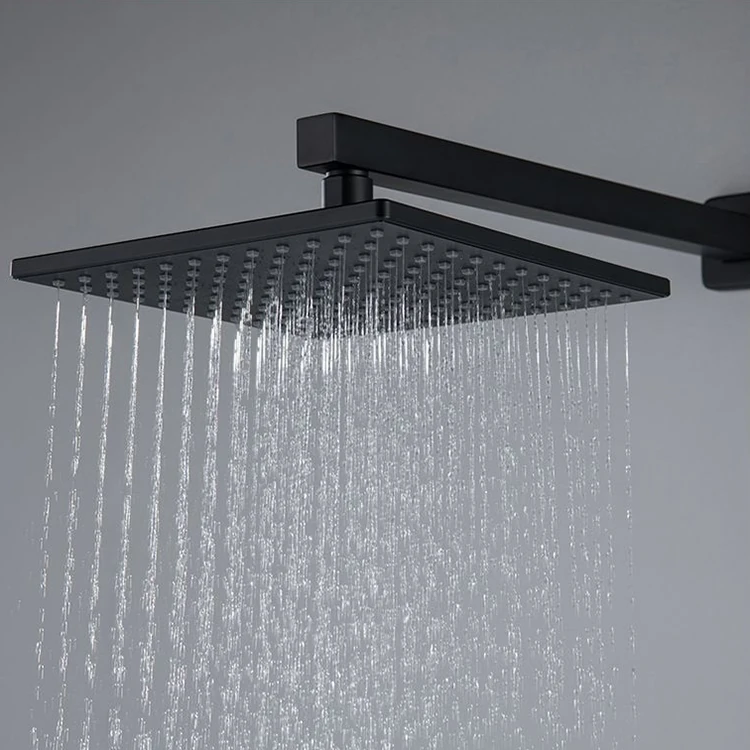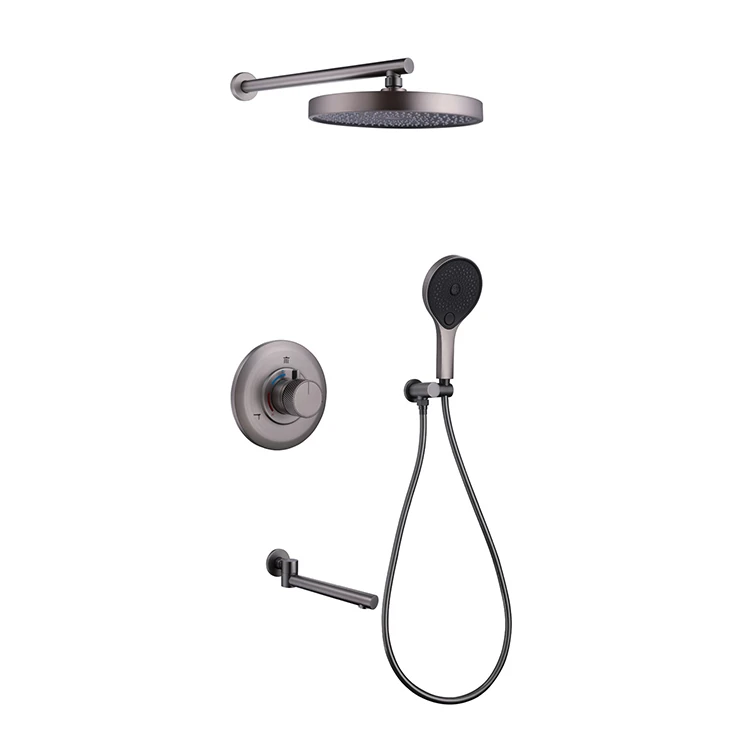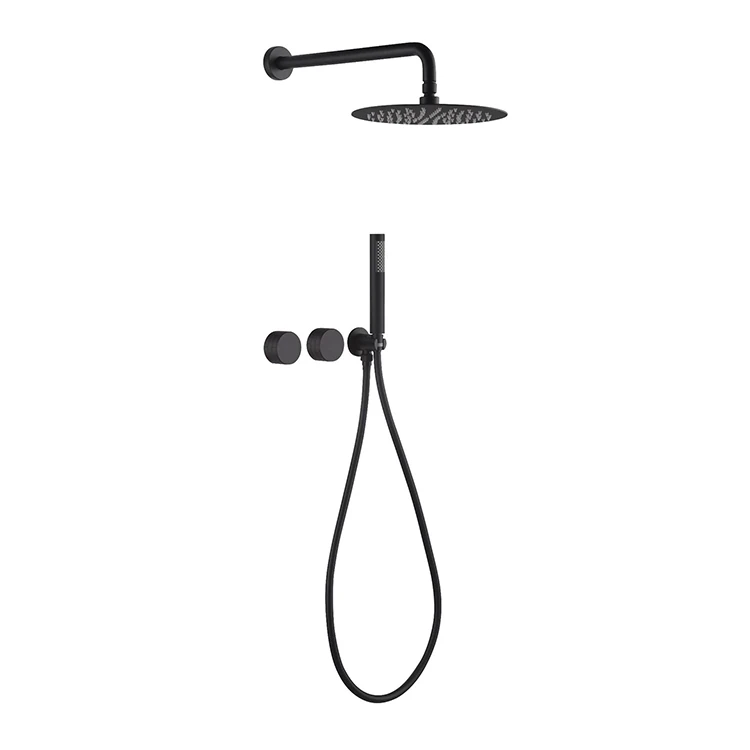

Guide Category · 5 Technical Handbooks

Kitchen & Shower Systems Engineering — Engineering & Buying Guides

Comparing pull-down, commercial coiled-spring, 3-way RO filtration, and bridge kitchen taps plus concealed shower rough-in depth & pressure checklists. Written by our Xiamen engineering and export desk with transparent specification tables, real factory verification notes, and matched production models.

Published Handbooks

Technical Guides in Kitchen & Shower Systems Engineering

Each guide opens on a clean direct URL with a direct engineering summary, comparison matrix, reference models, and technical FAQs.

Concealed Shower Rough-In Valve Checklist: Depth, Pressure Test & Serviceability
INSTALLATION & QC5 min read · Updated 2026-11-22

Concealed Shower Rough-In Valve Checklist: Depth, Pressure Test & Serviceability

Pre-wall engineering checklist for concealed brass shower mixer valves: wall cavity depth, thread standard lock, pre-tile pressure testing, and cartridge access.

Every concealed in-wall shower system succeeds or fails before the first tile is laid. Contractors must lock four checkpoints prior to wall closure: (1) confirm solid brass rough-in body depth matches finished tile thickness, (2) verify native 1/2" NPT or G1/2" BSP inlets without adapters, (3) run a full pre-tile pressurized leak test, and (4) confirm front-access cartridge/diverter serviceability without breaking tiles.

By Eason HuangRead Guide →

Kitchen Faucet Architecture Guide: Pull-Down vs. Commercial Spring vs. 3-Way RO vs. Bridge
KITCHEN & SHOWER6 min read · Updated 2026-11-24

Kitchen Faucet Architecture Guide: Pull-Down vs. Commercial Spring vs. 3-Way RO vs. Bridge

Compare all four commercial & residential kitchen faucet architectures—high-arch pull-down, SUS304 coiled spring, 3-way RO drinking-water filtration, and 2-handle bridge mixers.

High-arch pull-down mixers remain the universal bestseller for modern residential and multi-unit kitchens; SUS304 coiled-spring faucets deliver heavy-duty chef styling and 360-degree rinse coverage; 3-way RO filtration faucets combine hot/cold tap water with an isolated drinking-water channel in one single deck hole; and 2-handle solid brass bridge faucets anchor classic architectural kitchens.

By Eason HuangRead Guide →
3-Way RO Kitchen Faucet vs. Separate Drinking-Water Tap: Margin & Spec Guide
KITCHEN & SHOWER6 min read · Updated 2026-11-25

3-Way RO Kitchen Faucet vs. Separate Drinking-Water Tap: Margin & Spec Guide

Compare 3-way reverse-osmosis kitchen mixers against traditional two-tap filter setups across countertop drilling, waterway isolation, retail margin, and NPT/BSP connections.

A 3-way RO kitchen faucet combines hot/cold domestic supply with a completely isolated filtered drinking-water channel inside one single-hole brass body—eliminating the need to drill a second hole into quartz or granite countertops while commanding higher retail margins and cleaner sink aesthetics than pairing a main mixer with a small secondary filter tap.

By Eason HuangRead Guide →
150 mm Exposed Shower Mixer Rough-In Guide: Eccentric S-Unions, Height & BSP vs. NPT
KITCHEN & SHOWER5 min read · Updated 2026-11-25

150 mm Exposed Shower Mixer Rough-In Guide: Eccentric S-Unions, Height & BSP vs. NPT

Field engineering checklist for exposed thermostatic and ceramic shower columns: 150 mm (±15 mm) center spread, eccentric S-union adjustment, riser height clearance, and G1/2" BSP vs. NPT inlets.

Exposed thermostatic and ceramic shower columns across Europe, the UK, Australia, the Middle East, and Southeast Asia standardize on a 150 mm hot-to-cold wall inlet center spread (adjustable roughly 135–165 mm via eccentric S-unions with G1/2" BSP threads). Always lock hot-left / cold-right orientation before tiling—especially for wax-element thermostatic mixers, which cannot regulate temperature accurately if supply lines are reversed.

By Eason HuangRead Guide →
38°C Thermostatic Anti-Scald vs. Manual Ceramic Shower Mixers: Hospitality & Export Spec Guide
KITCHEN & SHOWER6 min read · Updated 2026-11-26

38°C Thermostatic Anti-Scald vs. Manual Ceramic Shower Mixers: Hospitality & Export Spec Guide

Compare 38°C thermostatic anti-scald shower valves against manual Wanhai/Hent ceramic disc mixers across hotel safety, water pressure fluctuations, EN 1111 scope, maintenance, and unit FOB cost.

Choose a 38°C thermostatic shower valve whenever guests or families face simultaneous pressure drops (multi-room hotels, European/UK residential specs, senior/child safety bathrooms), as its automatic wax/SMA element prevents scalding instantly. Choose a manual Wanhai/Hent ceramic disc shower mixer when water pressure is stable, target FOB cost must stay lean, or installers require universal non-polarized hot/cold rough-in tolerance.

By Eason HuangRead Guide →
Reference Production Models

Production Models Referenced Across These Guides

Manufactured by Xiamen Auvesso Bathware Co.,Ltd. in solid brass, SUS304 stainless steel, and project-grade zinc alloy, configured for North American 3/8" Compression / 1/2" NPT or global G1/2" BSP standards. Standard catalog orders start at 100 pcs (zero customization); custom OEM/ODM runs strictly require 1,000 pcs or above.

View Kitchen & Shower Systems →